Cultural Tours
Journey into the Heart of East Africa's Rich Heritage
Discover Tanzania's Cultural Treasures
Tanzania is a land of breathtaking landscapes and iconic wildlife, but its soul is found in its rich, diverse, and ancient culture. From the dawn of humanity to the rise and fall of powerful empires, our nation's story is written in stone, song, and the vibrant spirit of its people.
A cultural tour with Sambuo Tours is more than a holiday; it's a journey into the heart of East Africa. We invite you to walk through living history, explore mystical sites, and connect with the traditions that make Tanzania truly unique.
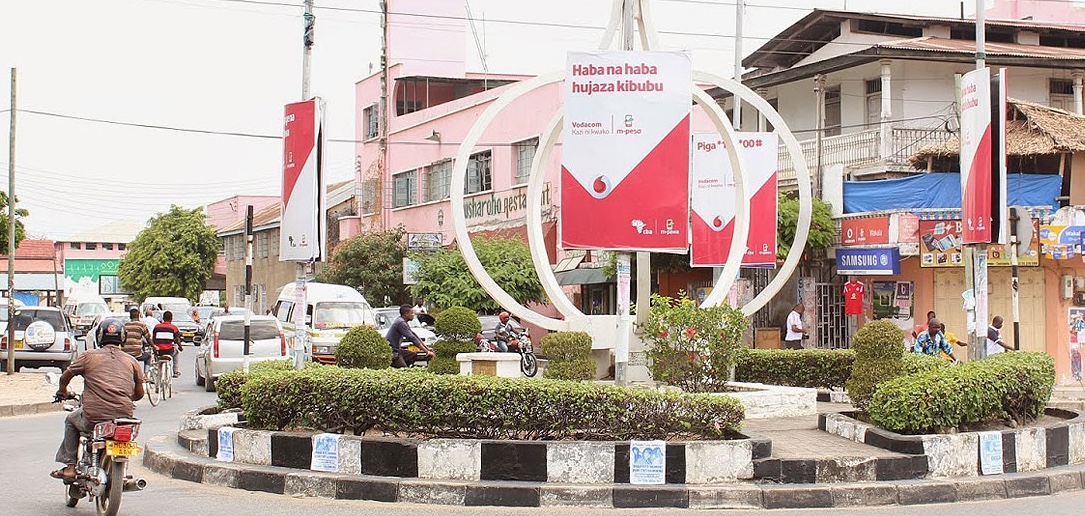
Tanga City Tour
A Historic Coastal Gem of East Africa
Discover the historic coastal city of Tanga, one of the oldest towns in East Africa. The city was developed during the German colonial period in the late 1800s, when modern port facilities, railways, and administrative buildings were constructed. On this tour, visitors explore the charming old town with its colonial architecture, vibrant markets, and historic landmarks. You will also visit the famous Tanga Cement factory area and learn about the region's industrial history. The tour offers a mix of culture, history, and local life, making it a great introduction to Tanga and its unique heritage along the Indian Ocean coast.
Historical Significance:
Tanga has been an important trading center for centuries, serving as a key port along the Indian Ocean trade routes. During German colonial rule, it became a major administrative and economic center. The city's architecture reflects this layered history, with German colonial buildings standing alongside traditional Swahili structures. The port of Tanga was once the starting point of the Usambara Railway, which connected the coast to the interior.
What Makes It Special to Visit?
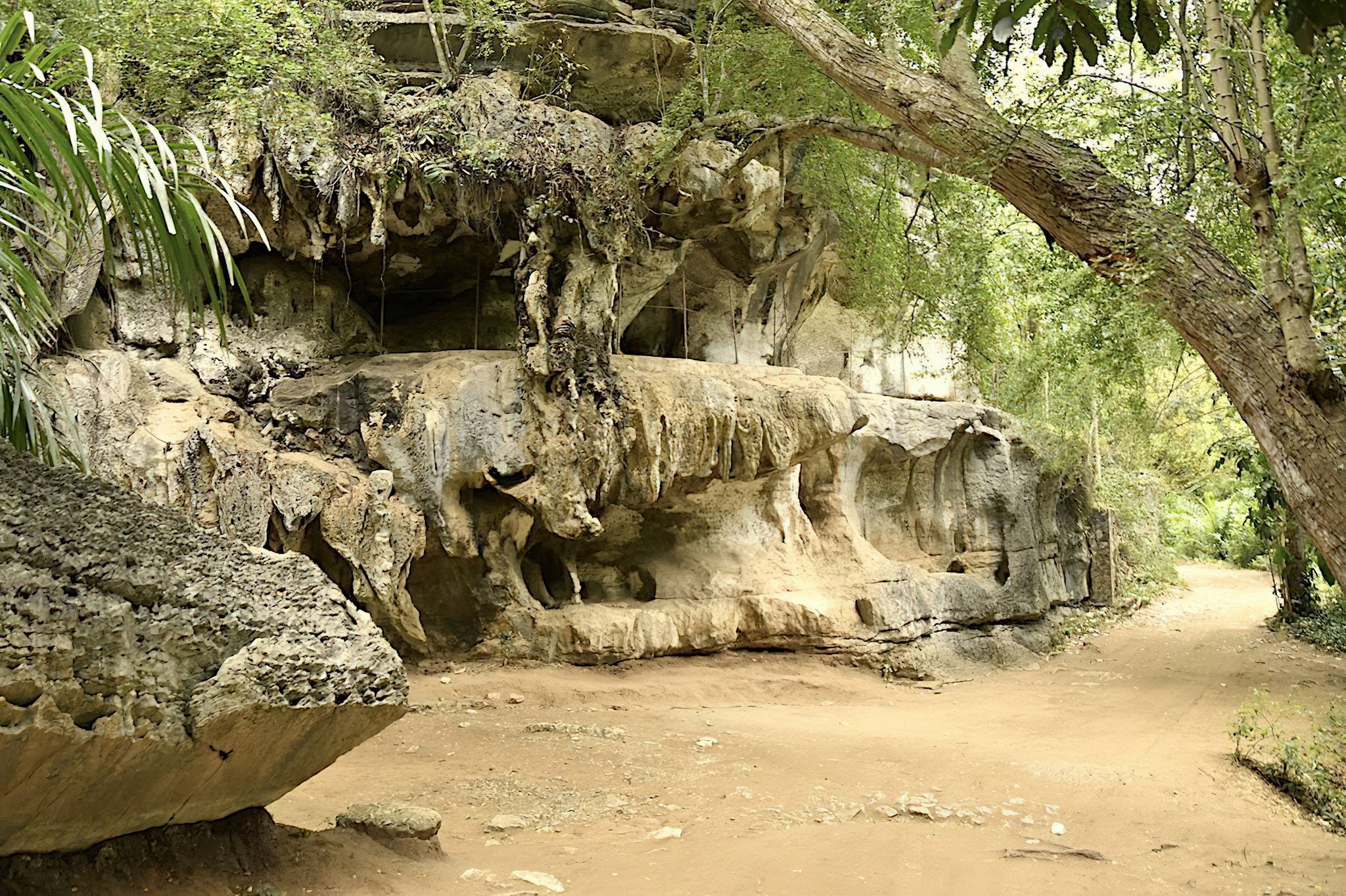
Amboni Caves Tour
East Africa's Largest Limestone Caves
The Amboni Caves are the largest limestone caves in East Africa and one of the most fascinating natural attractions near Tanga. Located about 8 km north of the city, these caves were formed around 150 million years ago during the Jurassic period. Visitors can explore underground chambers filled with impressive rock formations, stalactites, and stalagmites. The caves are also home to many bats and have interesting shapes in the rocks that resemble animals and famous objects. Guided tours explain the geology, history, and local legends connected to the caves, making this adventure both educational and exciting.
Historical Significance:
The Amboni Caves hold both geological and cultural significance. Formed over 150 million years ago, they have been used by local communities for generations. During the colonial era, the caves served as hiding places during conflicts. Today, they remain important for local traditions and are considered sacred by some communities. The caves provide valuable insights into the region's geological history and have been a focus of scientific study.
What Makes It Special to Visit?
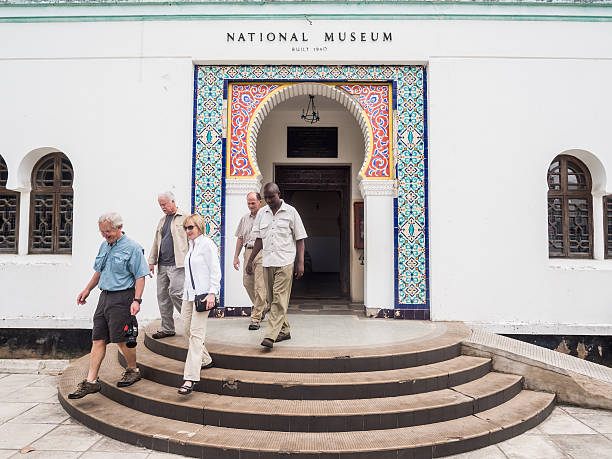
The National Museum and House of Culture, Dar es Salaam
A Journey Through Tanzania's Grand History
Located in the bustling heart of Dar es Salaam, the National Museum and House of Culture is the perfect starting point for any cultural exploration of Tanzania. It serves as the custodian of the nation's most treasured artifacts, offering a comprehensive narrative that spans from the origins of humankind to the modern-day republic. This is not just a collection of objects; it is the story of Tanzania under one roof.
Historical Significance:
Originally opened in 1940 as a memorial to King George V, the museum has since expanded to become the country's most important historical institution. Its international fame rests on the priceless paleoanthropological discoveries from the Olduvai Gorge. Here, you can stand face-to-face with the history of our earliest ancestors. The museum houses some of the most significant finds by the Leakey family, including the skull of Paranthropus boisei (Zinjanthropus) and evidence of the Laetoli footprints, which prove that our ancestors walked upright 3.6 million years ago.
What Makes It Special to Visit?
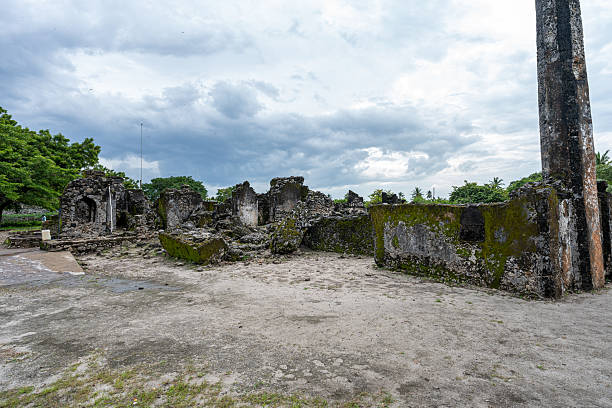
The Historic Town of Bagamoyo
Where History Whispers on the Indian Ocean Breeze
The name 'Bagamoyo' is Swahili for 'lay down your heart,' a haunting phrase that captures the town's dual legacy of immense sorrow and enduring hope. This quiet, coastal town, with its crumbling colonial architecture and ancient baobab trees, was once one of the most important trading posts in East Africa. To walk its streets is to step back in time, feeling the powerful echoes of its past as a terminus for both the slave and ivory trade caravans.
Historical Significance:
In the 19th century, Bagamoyo was the capital of German East Africa and a major port for the Sultanate of Oman. Caravans would arrive here after months of trekking from the interior, bringing ivory, salt, and tragically, enslaved people to be shipped to Zanzibar and beyond. For the captives, Bagamoyo was their last sight of their mainland home, a place of profound despair. It was also a crucial entry point for Christian missionaries and European explorers, including David Livingstone.
What Makes It Special to Visit?
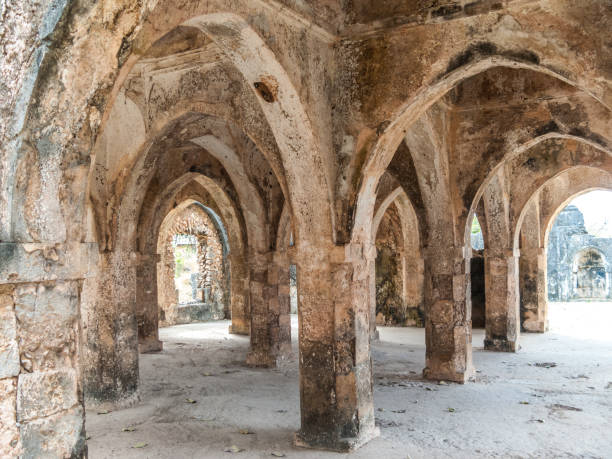
The Ruins of Kilwa Kisiwani and Songo Mnara
Echoes of a Forgotten Swahili Empire
Designated as a UNESCO World Heritage Site, the ruins of Kilwa Kisiwani ('Kilwa on the Island') and the nearby Songo Mnara are among the most significant historical sites in all of East Africa. Located on islands just off the coast, this was once the seat of a powerful and fabulously wealthy Swahili sultanate. From the 13th to the 15th centuries, Kilwa controlled the lucrative gold trade from the interior of Africa, minting its own currency and astonishing visitors with its sophistication.
Historical Significance:
The Sultanate of Kilwa was a dominant maritime power, whose influence stretched along the entire Swahili Coast. The wealth generated from trading gold, ivory, and other goods funded the construction of magnificent stone mosques, palaces, and homes. The architecture was a masterful blend of Swahili and Islamic styles, utilizing local coral stone. The great explorer Ibn Battuta visited in the 1330s and described it as one of the most beautiful cities he had ever seen.
What Makes It Special to Visit?
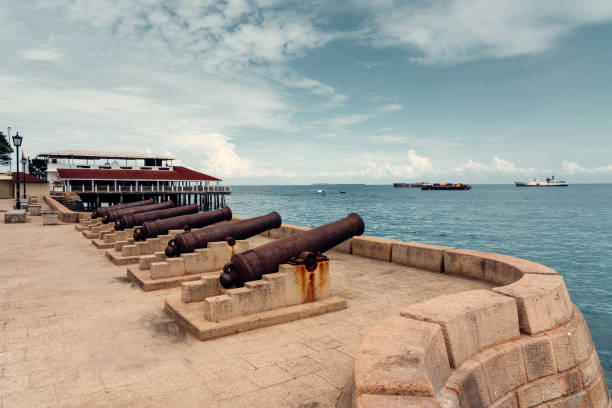
Stone Town, Zanzibar
The Labyrinthine Soul of the Spice Islands
No cultural tour of Tanzania is complete without immersing yourself in the sensory wonderland of Stone Town. The ancient heart of Zanzibar City, this UNESCO World Heritage Site is not a museum; it is a vibrant, living city where centuries of history unfold in a maze of narrow, winding alleys. The air is thick with the scent of cloves, cardamom, and fresh coffee, and the sounds of the call to prayer mingle with the chatter of the market.
Historical Significance:
Stone Town's history and wealth were built on trade. For centuries, it was a pivotal hub for the spice trade and, more infamously, the East African slave trade. It became the capital of the Omani Empire in the 19th century, and the Sultans who ruled from here created an architectural legacy that defines the city today. The buildings are a unique blend of styles, characterized by their thick coral stone walls, expansive courtyards, and, most famously, their intricately carved wooden doors.
What Makes It Special to Visit?
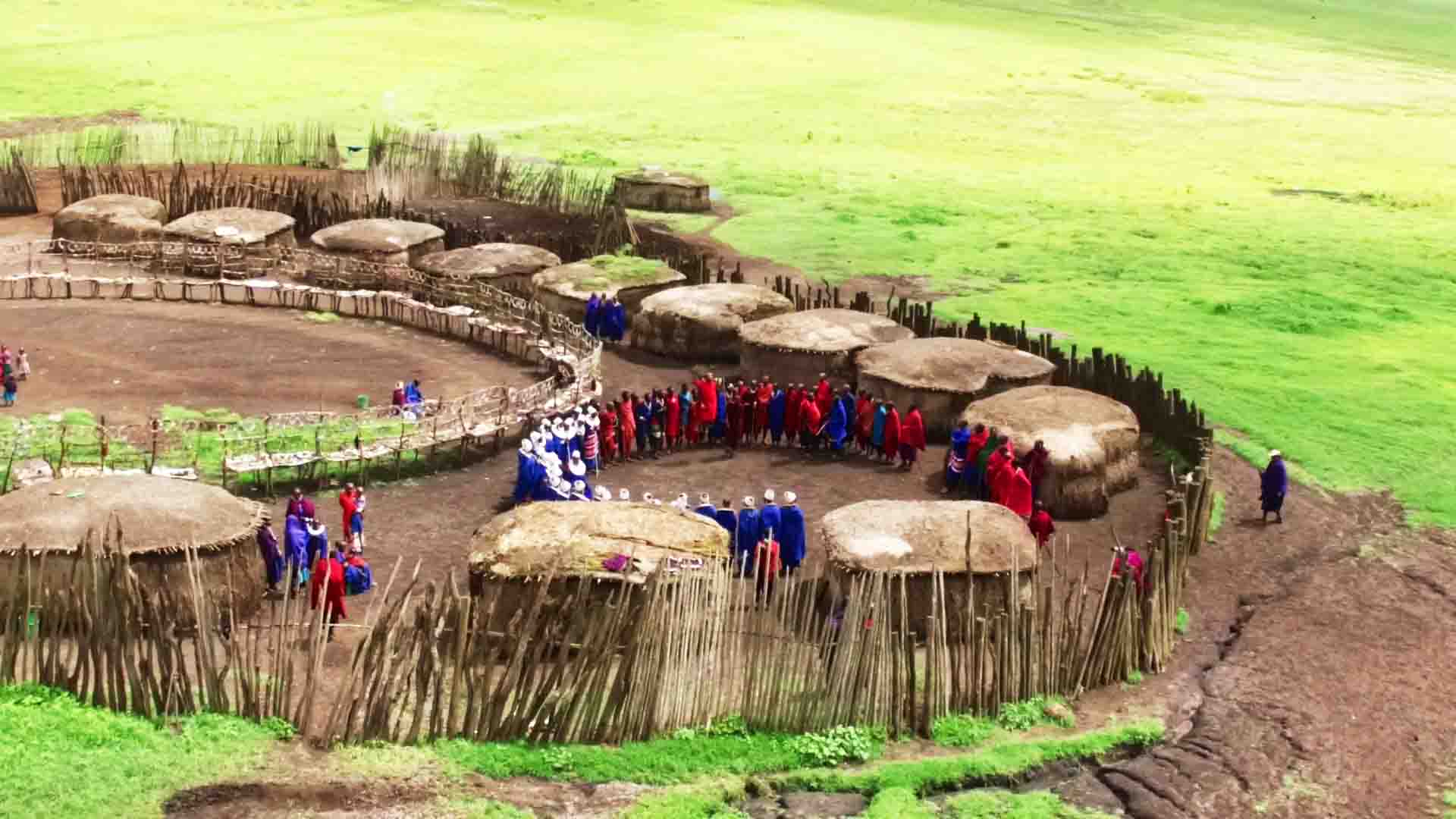
Maasai Boma Cultural Tour
Experience the Unique Culture of the Maasai People
Experience the unique culture and traditions of the Maasai people during a visit to a traditional Maasai Boma (village). The Maasai are one of the most well-known ethnic groups in East Africa, famous for their colorful clothing, warrior traditions, and strong connection to cattle and nature. During the visit, guests can see traditional Maasai houses, learn about daily life in the village, and watch cultural dances and songs performed by the community. Visitors also have the opportunity to interact with Maasai warriors, hear stories about their traditions, and learn about their way of life that has been preserved for generations.
Historical Significance:
The Maasai have inhabited the region stretching across southern Kenya and northern Tanzania for centuries. Known for their distinctive customs, dress, and warrior traditions, they have maintained their traditional way of life despite modernization. The Maasai are semi-nomadic pastoralists who have historically relied on cattle herding, and their culture is deeply intertwined with the land and animals of East Africa.
What Makes It Special to Visit?
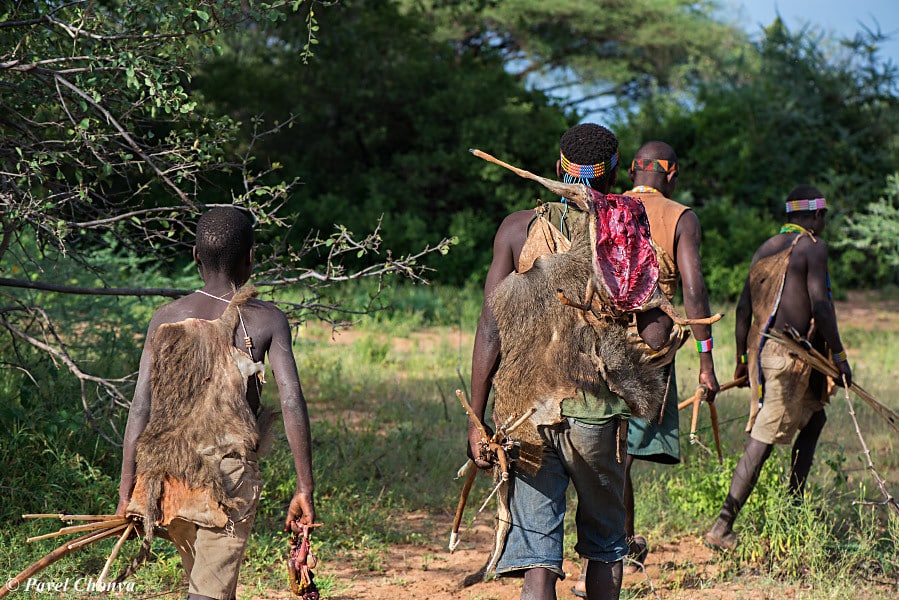
Hadzabe Hunter-Gatherer Experience
Lake Eyasi – Discover One of the Last Hunter-Gatherer Tribes in Africa
Discover one of the last remaining hunter-gatherer tribes in Africa with a visit to the Hadzabe people near Lake Eyasi. The Hadzabe have lived in this region for thousands of years and still follow a traditional lifestyle based on hunting and gathering food from the surrounding land. Visitors can join the Hadzabe early in the morning to see how they hunt using bows and arrows and search for wild fruits, honey, and roots. The experience offers a rare opportunity to learn about an ancient way of life that has remained largely unchanged for centuries and provides deep insight into human history and survival in nature.
Historical Significance:
The Hadzabe are among the last true hunter-gatherer societies in the world, with a history dating back thousands of years. They speak a unique click language unrelated to any other language in the region, suggesting an ancient and isolated heritage. Their sustainable way of life offers a window into how early humans lived, making this experience not just a cultural visit but a journey into human history and our ancestral past.
What Makes It Special to Visit?
Ready to Explore Tanzania's Cultural Heritage?
Let us create a meaningful cultural experience that connects you with the heart and soul of Tanzania